
Cooler summers
The foil surface reflects radiant heat from the roof before it soaks into ceiling batts or wall frames. This keeps indoor temperatures lower on hot days, reducing reliance on air conditioning and cutting cooling costs.
Reflective Foil Insulation
Sisalation is a reflective foil laminate installed under roofing or behind wall cladding with an air gap. It reflects radiant heat away from your home and helps manage moisture and dust in Bentleigh’s hot summers and damp winters.
Share your details and Expert Insulation Melbourne will contact you about Sisalation Insulation in Bentleigh.
Sisalation is a foil-faced laminate that acts as a radiant heat barrier and a vapour barrier. In Bentleigh, it is typically installed under metal or tiled roofs and behind weatherboard or brick veneer walls to bounce radiant heat back out before it enters the living space. It also reduces condensation risk in roof spaces and wall cavities, which is common in Melbourne’s climate with its big temperature swings.
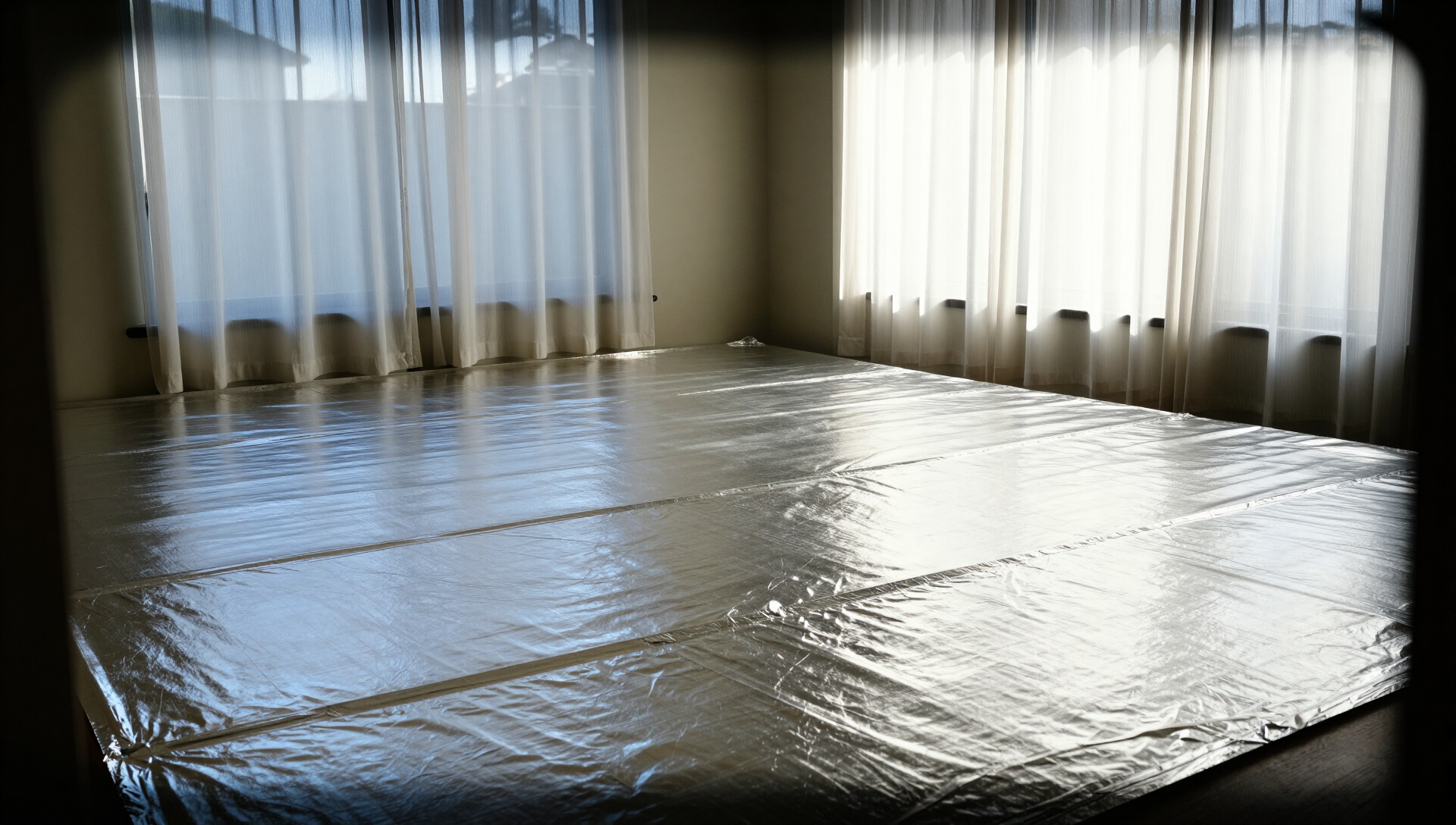
Bentleigh’s mix of older weatherboard homes and newer brick veneer houses benefits from sisalation in two key ways. It cuts summer heat gain through the roof and walls, and it helps control moisture that can lead to mould and structural issues over time.
The foil surface reflects radiant heat from the roof before it soaks into ceiling batts or wall frames. This keeps indoor temperatures lower on hot days, reducing reliance on air conditioning and cutting cooling costs.
Sisalation’s vapour barrier properties limit moisture transfer into roof spaces and wall cavities. This is especially useful in Bentleigh’s damp winters, where condensation can form on cold surfaces and lead to mould growth.
By blocking dust and moisture, sisalation helps keep ceiling batts and wall insulation in better condition for longer. Dust build-up can reduce the effectiveness of bulk insulation over time.
In homes with exposed rafters or cathedral ceilings, sisalation can be installed directly under the roofing material to provide thermal resistance without the need for a traditional ceiling space.
Unlike thick bulk insulation, sisalation is thin and adds negligible bulk to walls or roofs. This makes it ideal for retrofits where space is limited, such as in Bentleigh’s older homes.
Sisalation is not a replacement for bulk insulation but works alongside it. The foil reflects heat, while batts trap still air, combining to improve overall thermal resistance.
Installing sisalation requires careful placement to ensure an air gap and proper sealing. The process varies slightly depending on whether it is going under a roof or behind wall cladding, but the principles remain the same.
We check the roof space for existing insulation, wiring, and structural elements. If old batts are compressed or damaged, we may recommend removal before installing sisalation. We also ensure there is enough space for an air gap between the foil and the roofing material.
Sisalation comes in rolls, which we cut to fit between rafters or studs. For roofs, we lay it perpendicular to the rafters, ensuring it drapes slightly to maintain the air gap. For walls, we fit it behind the cladding with the foil facing the outside.
We staple or tape the sisalation to the rafters or studs, ensuring it is taut and free of tears. All joins are sealed with foil tape to maintain the vapour barrier. We take care around cables, pipes, and downlights to avoid covering them.
Once installed, we inspect the work to ensure there are no gaps or tears. We also check that the air gap is maintained and that the foil is not in contact with other surfaces, which would reduce its effectiveness. Any debris from the installation is removed from the site.
Bentleigh’s housing stock includes a mix of interwar bungalows, postwar brick homes, and newer developments. Many of these properties have roof spaces and wall cavities that can benefit from sisalation. In older weatherboard homes, sisalation behind the cladding can improve thermal performance without altering the home’s character. In brick veneer homes, it helps manage moisture and reduces heat transfer through the walls.
Reflective foil insulation installed under roofs and behind walls to reduce heat gain and moisture.
Homeowners in Bentleigh often have questions about how sisalation works, where it fits, and whether it is suitable for their property. Here are the most common queries we hear.
Sisalation insulation in Bentleigh provides a reflective barrier against radiant heat, making it an effective solution for homes struggling with summer heat gain. Unlike bulk insulation, which traps still air, sisalation reflects heat away before it enters the living space. This makes it particularly useful in Bentleigh, where hot northerly winds can drive up indoor temperatures quickly.
In addition to its thermal benefits, sisalation acts as a vapour barrier, reducing condensation in roof spaces and wall cavities. This is important in Melbourne’s climate, where cold winters and damp conditions can lead to moisture issues. By limiting moisture transfer, sisalation helps protect the structural integrity of your home and extends the lifespan of other insulation materials.
Sisalation is often installed alongside bulk insulation to create a comprehensive thermal barrier. In Bentleigh, it is commonly used under metal or tiled roofs and behind weatherboard or brick veneer walls. The installation process is straightforward but requires precision to ensure an air gap and proper sealing. Expert Insulation Melbourne has the experience to install sisalation correctly, ensuring maximum effectiveness for your home.
If your Bentleigh home struggles with heat gain or moisture issues, sisalation could be the solution. Call Expert Insulation Melbourne on 0399695249 or email info@expertinsulationmelbourne. com. au to discuss your needs.